Freight, planned before it ever leaves the dock
Most freight problems are not caused by the drive itself — they come from planning gaps that surface once a load is already on the road.
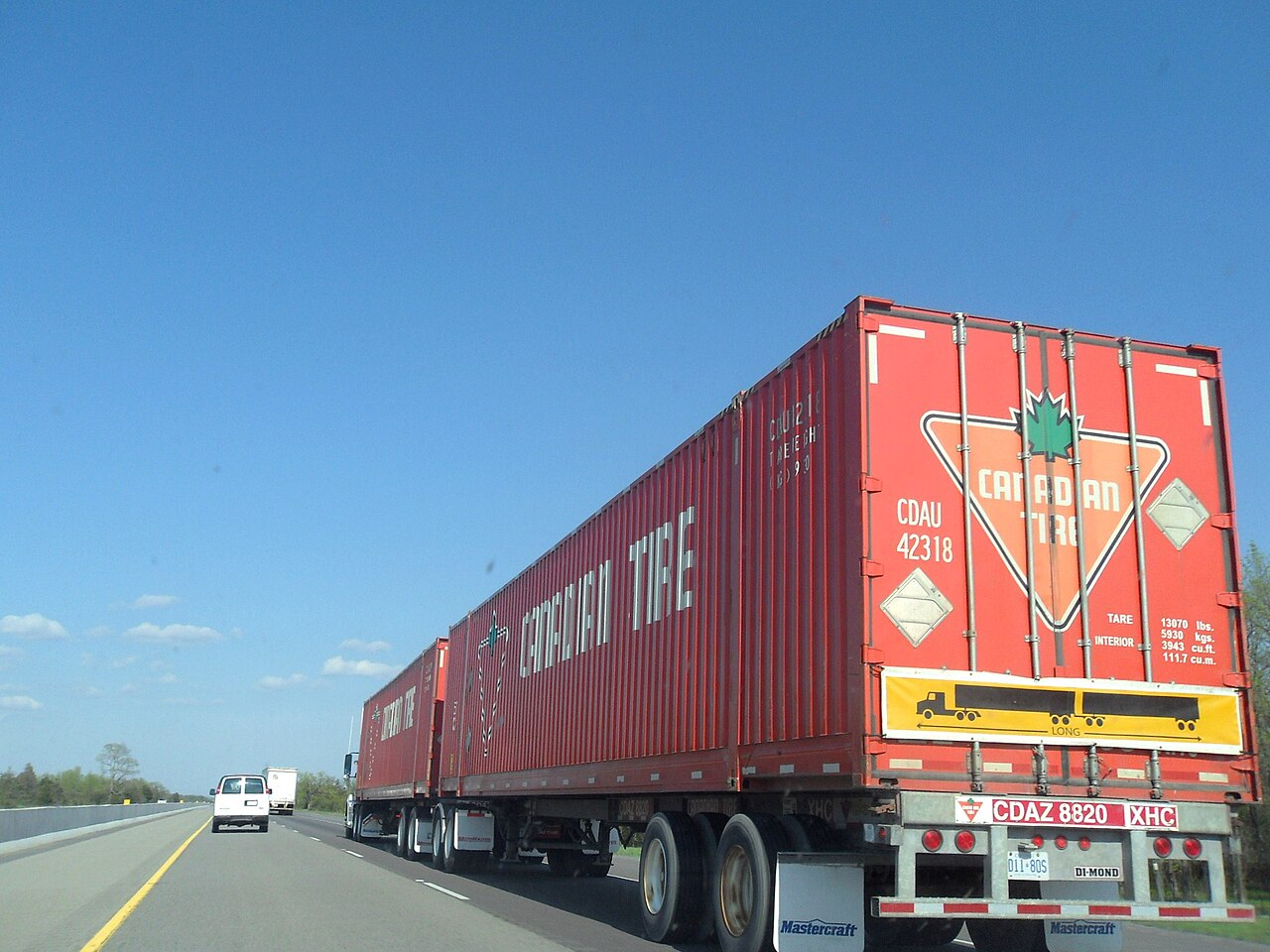
Why dispatch planning matters more than the drive
A route that looks fine on a map can fall apart once rest requirements, weigh stations, and real traffic patterns are factored in.
Planning for those realities before a load leaves is one of the more reliable ways to keep a delivery on schedule.
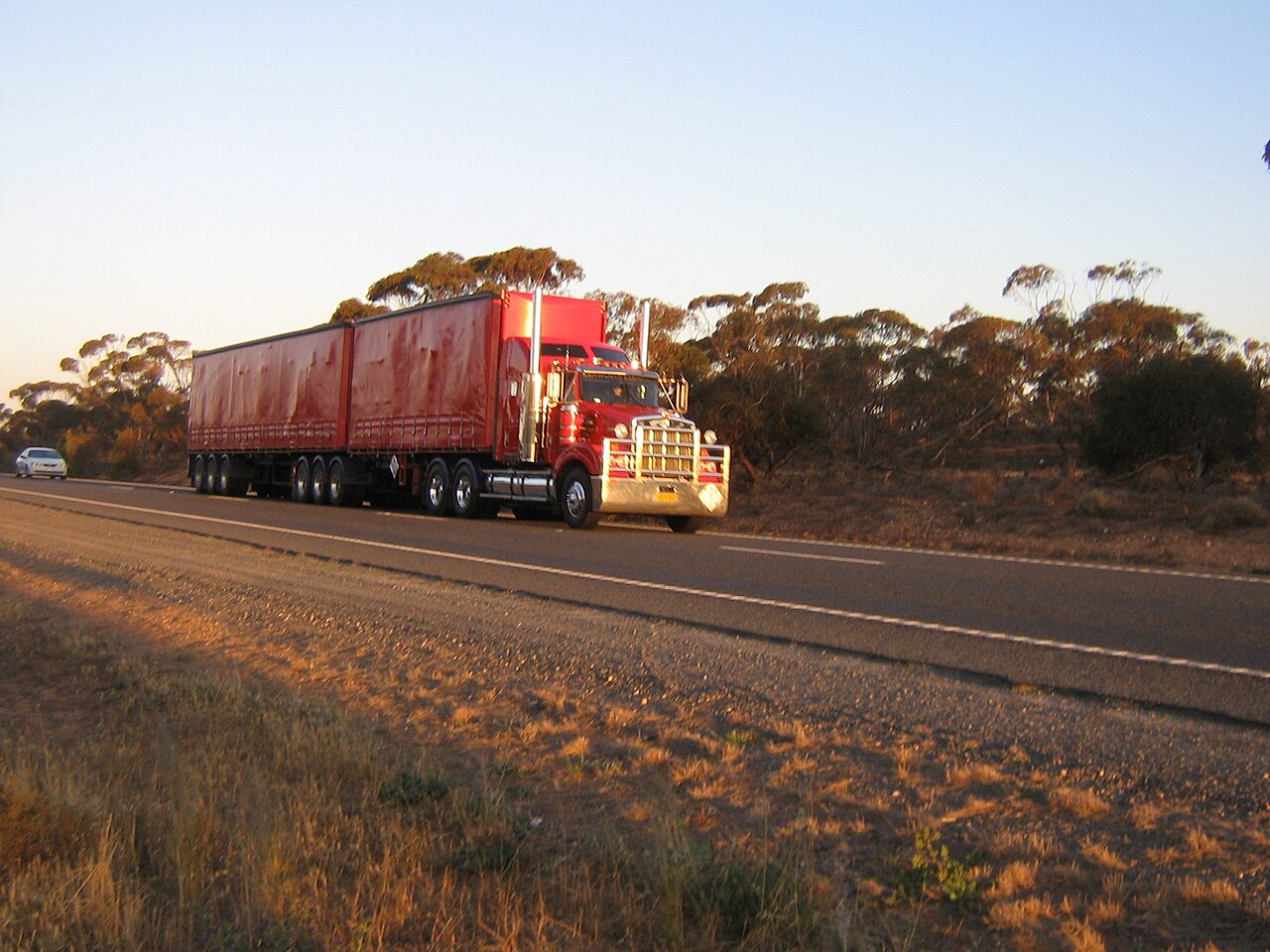
Operating out of Little Elm, Texas
Teal Cove Lane serves as the dispatch base for coordinating loads across regional and longer-haul routes out of North Texas.
Being centrally based in the region makes it easier to plan realistic pickup and delivery windows without guessing at regional traffic and weigh station patterns.
What guides how loads are handled
A short list of habits behind how freight is planned and moved.
Realistic routing
Routes account for rest requirements and known bottlenecks rather than a best-case straight line.
Direct communication
Shippers can reach dispatch directly rather than working through layers of intermediaries.
Load verification
Paperwork and load contents are checked before departure to avoid mismatches on the road.
Equipment maintenance
Trucks are kept on a regular maintenance schedule to reduce the risk of breakdowns mid-route.
Need a load hauled?
Reach out to dispatch with your load details, and we will confirm timing before anything is booked.